

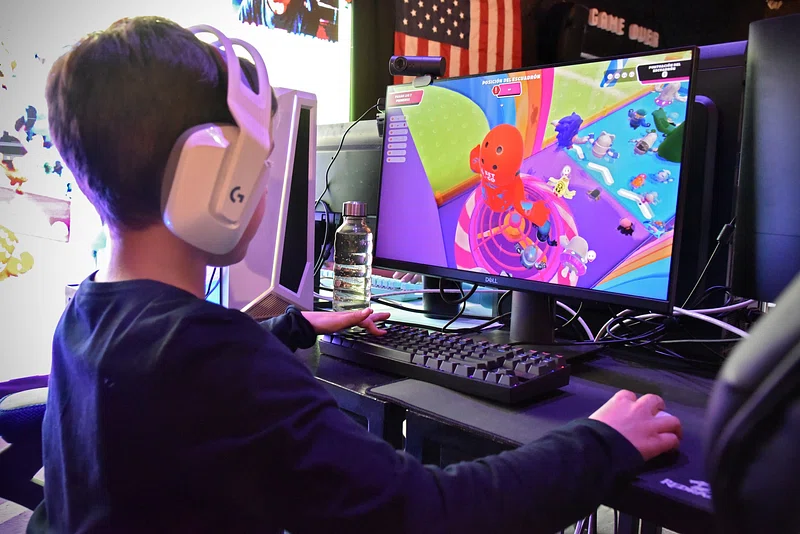
In today’s digital age, computer graphics and game development have become essential pillars of entertainment, education, and communication. From blockbuster video games and immersive virtual worlds to cutting-edge animation and filmmaking, the technology behind these industries continues to evolve rapidly. For anyone passionate about creating stunning visuals or interactive experiences, platforms like gfx-hub.co offer invaluable resources, tutorials, and assets to elevate projects to the next level.
Understanding Computer Graphics
Computer graphics is the art and science of generating images with the help of computers. It spans a wide range of applications, from 2D graphics used in digital art and interfaces to complex 3D modeling for animation and simulation. The process involves rendering images by manipulating geometric data, textures, lighting, and shading to create realistic or stylized visuals.
There are two primary types of computer graphics:
- Raster graphics: Images made up of pixels, such as photographs and digital paintings.
- Vector graphics: Images created from paths and shapes, scalable without loss of quality, common in logos and technical drawings.
In recent years, 3D computer graphics have seen tremendous growth, powering industries such as gaming, film, and virtual reality. The ability to create lifelike characters, environments, and effects depends on sophisticated algorithms and software.
The Role of 3D Graphics in Modern Media
3D graphics bring depth and realism to digital content. Artists use modeling software like Blender, Maya, and 3ds Max to build detailed three-dimensional objects and scenes. These models are then textured, rigged with virtual skeletons for animation, and rendered into frames that compose movies or interactive media.
In filmmaking, 3D graphics allow for breathtaking visual effects and environments that would be impossible or too costly to film. Similarly, in game development, 3D graphics are fundamental to crafting immersive worlds where players can explore, interact, and experience stories firsthand.
Game Development: Merging Art and Technology
Game development is a complex process that combines storytelling, design, programming, and visual artistry. Developers use game engines like Unity and Unreal Engine to bring their ideas to life. These engines provide tools for rendering graphics, physics simulation, audio, and more.
High-quality graphics can make or break a game’s success. Realistic lighting, textures, and animations enhance immersion, helping players feel connected to the virtual world. At the same time, efficient graphics programming ensures smooth gameplay, especially on devices with limited hardware resources.
Resources like gfx-hub.co support developers by offering ready-made assets, tutorials, and inspiration. Access to quality textures, 3D models, and effects can significantly reduce development time, enabling creators to focus on innovation and gameplay mechanics.
Video Editing and Filmmaking: Crafting Visual Stories
Besides games, computer graphics also play a crucial role in video editing and filmmaking. Editors use graphic overlays, color grading, and CGI effects to tell compelling stories and create mood. Software like Adobe Premiere Pro, After Effects, and DaVinci Resolve are industry standards that integrate with 3D tools to enrich visual narratives.
Filmmakers employ CGI to design creatures, environments, and action sequences that defy real-world constraints. The seamless integration of live-action footage with 3D graphics has revolutionized the cinematic experience, making once-impossible scenes a reality.
The Future of Computer Graphics and Game Development
Advancements in artificial intelligence, real-time ray tracing, and virtual reality are pushing the boundaries of what computer graphics can achieve. AI-driven tools automate tasks like texture generation and animation, speeding up workflows and expanding creative possibilities.
Real-time ray tracing enhances lighting and reflections in games, creating unparalleled realism. Meanwhile, VR offers fully immersive experiences, blending visual, auditory, and even tactile feedback.
As these technologies mature, the demand for skilled professionals and quality resources grows. Communities and platforms like gfx-hub.co will remain vital hubs for learning, collaboration, and asset sharing.
Conclusion
Computer graphics and game development are vibrant fields at the intersection of creativity and technology. Whether you’re an artist, programmer, or filmmaker, understanding the fundamentals and leveraging the right tools can unlock new levels of expression and innovation.
For those looking to dive deeper, explore tutorials, or find premium graphics assets, visiting gfx-hub.co is an excellent starting point. With the right resources and dedication, anyone can contribute to the exciting worlds being built pixel by pixel every day.