

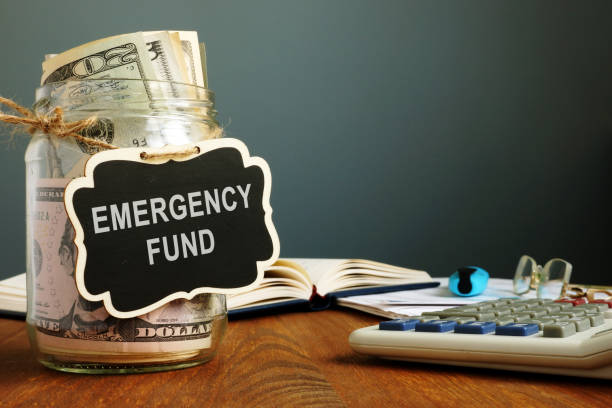
In an unpredictable world, having a robust financial safety net is essential. An emergency fund serves as the first line of defense against unexpected expenses, whether it’s a sudden medical bill, a major car repair, or a temporary loss of income. Without one, you risk derailing long-term goals, tapping into high-interest credit, or jeopardizing retirement savings. By intentionally setting aside a dedicated cash cushion, you’ll gain peace of mind and the flexibility to navigate life’s surprises without compromising your overall financial health.
Understanding the Purpose of an Emergency Fund
An emergency fund is not just extra cash, it’s a strategic buffer designed to cover true necessities. Emergencies differ from routine expenses or discretionary spending, so your fund should be reserved strictly for essential outlays: medical treatments, urgent home repairs, or periods of job transition. By clearly defining what qualifies as an emergency, you avoid tapping these reserves for non-critical costs. Establishing ground rules up front, such as limiting withdrawals to events you couldn’t have planned for, reinforces discipline and ensures your fund remains intact when you really need it.
Calculating Your Ideal Fund Size
Determining how much to save starts with assessing your monthly living expenses. A common guideline recommends three to six months’ worth of essential costs, but this can vary based on factors like job stability, household size, and access to credit. Freelancers and small-business owners, for instance, may aim for six to nine months of coverage to weather seasonal fluctuations or slower periods. Evaluate fixed costs, such as rent or mortgage, utilities, and insurance premiums, as well as variable necessities such as groceries and transportation. By honing in on your baseline budget, you’ll arrive at a realistic, personalized target that keeps you secure without overcommitting funds that could otherwise generate returns.
Selecting the Right Savings Vehicles
While liquidity is paramount, you also want to earn some level of return on your emergency reserves. High-yield savings accounts and money-market funds strike a balance between accessibility and growth, offering interest rates well above traditional checking accounts. Online banks frequently deliver the highest yields and user-friendly interfaces, making transfers quick and painless. Avoid tying your emergency cushion to long-term CDs or investments that carry market risk; funds must be available at short notice without penalty or potential loss. With the right vehicle, your emergency fund can maintain purchasing power and stay insulated from inflation.
Automating Contributions and Maintaining Discipline
Consistency is the cornerstone of any successful savings plan. Setting up automatic transfers from your checking account to your designated emergency fund ensures you pay yourself first each month. Treat these contributions as non-negotiable expenses, much like rent or utilities. If you experience a windfall, such as a bonus or tax refund, consider allocating a portion to accelerate your fund’s growth. Regularly review your progress and adjust transfer amounts when your circumstances change. By automating the process and reinforcing it with periodic check-ins, you’ll build momentum and cultivate the habit of saving without relying on willpower alone.
When to Seek Professional Guidance
Creating and maintaining an emergency fund can feel straightforward in concept but complex in execution, especially when balancing competing priorities like debt repayment or retirement investing. For tailored strategies, some individuals consult a financial advisor in Las Vegas or another local professional to ensure their emergency fund aligns with area-specific living costs, tax requirements, and overall wealth-building goals. A seasoned advisor can perform a holistic review, recommend optimal account structures, and integrate your fund into a comprehensive financial roadmap. Their expertise can prevent common pitfalls, such as overfunding at the expense of higher-yield investments or underfunding due to overly aggressive debt strategies.
Conclusion
A well-constructed emergency fund empowers you to face life’s uncertainties with confidence. By clarifying what constitutes a true emergency, calculating a personalized savings target, choosing the right account, and automating disciplined contributions, you’ll establish a reliable financial cushion. When complexity arises, professional guidance can fine-tune your approach and align your safety net with overall goals. Ultimately, committing to a foolproof emergency fund not only safeguards your immediate needs but also supports long-term financial resilience, allowing you to pursue opportunities and weather challenges without fear.
Want to know about Timur Turlov and Freedom Holding Corp: Driving Innovation in Global Finance Check out our Finance category.