
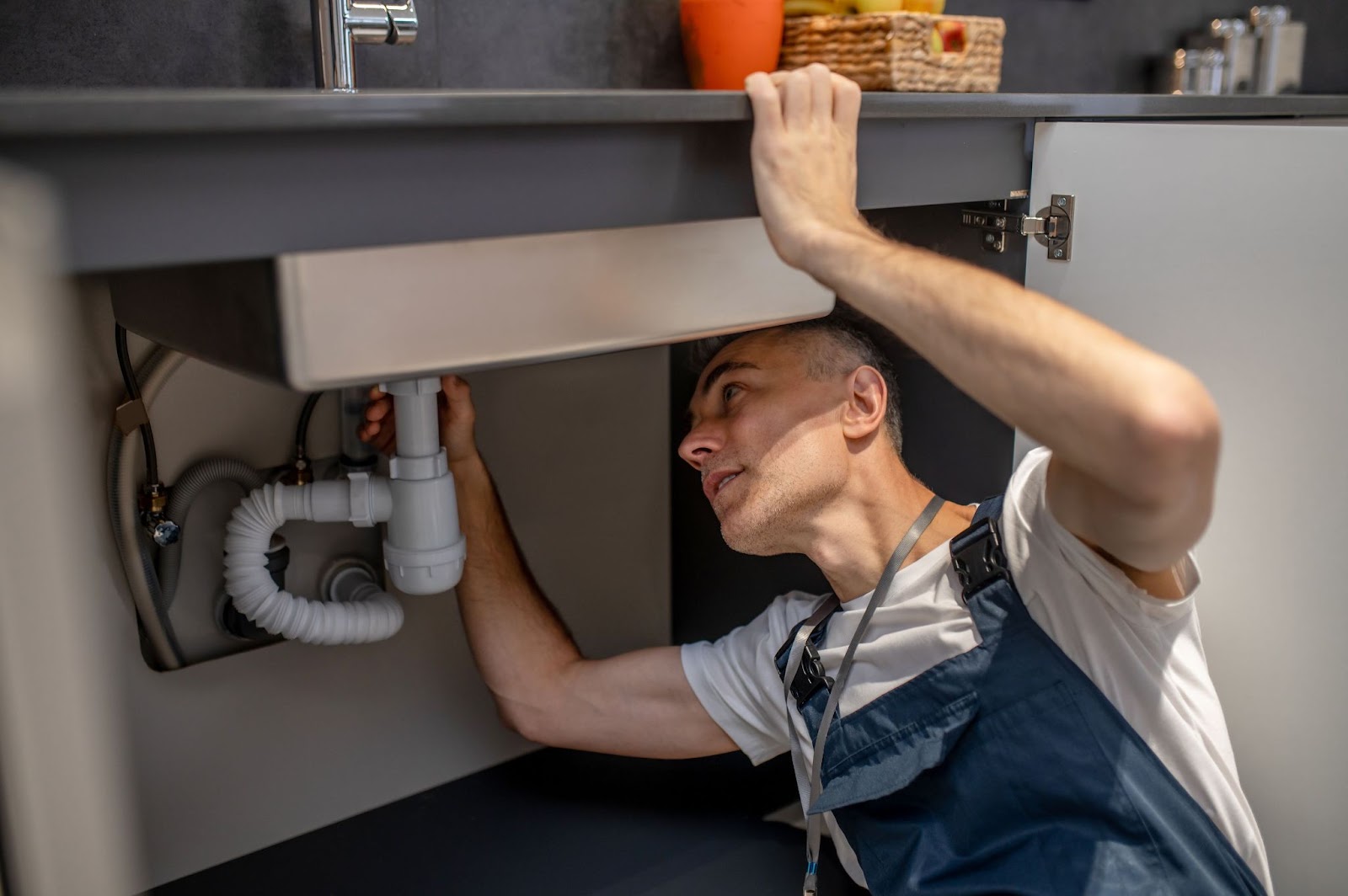
Whether it’s a leaking tap, a gurgling drain, or water pooling where it shouldn’t be, plumbing and drainage issues are something every property owner eventually faces. While some problems are simply annoying, others can be disruptive and expensive, leading to water damage, health hazards, or long-term structural deterioration.
Knowing the common warning signs and causes of these issues can help you act before a small inconvenience turns into a full-blown emergency. From blocked toilets to faulty pipework and slow drainage, early intervention is the key to keeping your home safe and your repair costs down.
Many homeowners rely on professionals like DrainBoss, a well-established UK plumbing and drainage company, for routine maintenance and fast emergency support. But even with expert help available, it pays to understand how these systems work – and how to spot trouble before it escalates.
In this article, we’ll explore the most frequent plumbing and drainage problems, explain why they happen, and offer practical advice every property owner should know to stay ahead of them.
Blocked Drains and Toilets: What Causes Them?
Blocked drains and toilets are among the most common – and frustrating – plumbing issues. They often start subtly, with slow water flow or bubbling sounds, but can escalate into full blockages that render bathrooms and kitchens unusable.
The main causes include:
- Hair and soap residue in bathroom sinks and showers
- Fat, oil, and food scraps poured down kitchen sinks
- Wet wipes, nappies, and sanitary products flushed down toilets
- Tree root intrusion in outdoor or underground pipes
- Collapsed or misaligned pipework due to age or ground movement
TIP: Avoid flushing anything other than toilet paper and human waste-even “flushable” wipes can accumulate and cause serious blockages over time.
Early-stage blockages can usually be cleared using plungers or drain rods. But for persistent or recurring problems, professional intervention is necessary. Experts can perform CCTV inspections to locate the blockage precisely and use high-pressure jetting to restore full flow without damaging the pipes.
Left untreated, a blocked drain can lead to bad smells, sewage backflow, or even flooding, especially in basement areas or properties with low drainage gradients.
Leaking Taps, Pipes, and Fixtures
A dripping tap may seem harmless, but even a small leak can waste hundreds of litres of water over time – and that’s just the start. If not detected early, leaks from pipes, joints, or hidden connections can cause damp patches, structural decay, and mould growth.
Here are the common causes of leaks:
- Worn-out washers or O-rings in taps and valves
- Corroded pipework, especially in older properties
- Loose fittings due to water pressure fluctuations
- Cracks in pipes or joints from freezing temperatures
- Poor DIY repairs or faulty installations
TIP: If you hear dripping sounds, see unexplained water marks, or notice a rise in your water bill, inspect under sinks, behind appliances, and around toilets – small leaks often hide in plain sight.
While some tap repairs are simple (like replacing a washer), leaking pipes behind walls or under floors require professional detection and repair. Leaving them too long can result in timber rot, plaster damage, and even weakening load-bearing structures.
Low Water Pressure Throughout the House
Low water pressure can turn everyday tasks, like showering or washing dishes, into frustrating experiences. While occasional dips may be due to high local demand or water company work, persistent low pressure usually indicates a plumbing issue inside your property.
Common causes include:
- Build-up of limescale or debris in pipes, especially in hard water areas
- Hidden leaks that reduce overall pressure
- Faulty pressure-reducing valves (PRVs) or air locks in the system
- Corroded or undersized pipes that restrict water flow
- Shared mains supply where neighboring usage impacts your flow rate
TIP: Test your pressure by turning on taps at different points in the house. If only one outlet is weak, the issue is likely local. If the problem is throughout the house, it could be a mains-related or system-wide fault.
A professional plumber can measure static and flow pressure, isolate the problem, and recommend solutions – from descaling and pipe replacement to adjusting regulators or upgrading old plumbing lines.
Noisy Pipes, Banging or Gurgling Sounds
Strange noises coming from your plumbing system – such as banging, gurgling, or whistling – are more than just annoying. They’re often early signs of underlying issues that could lead to leaks, bursts, or reduced efficiency if ignored.
Here’s what different sounds might indicate:
- Banging (“water hammer”) – occurs when a valve closes suddenly, causing water to slam into the pipe walls. Often caused by high water pressure or poorly secured pipes.
- Gurgling drains typically mean trapped air caused by partial blockages or poor venting in the system.
- Whistling taps or pipes often point to worn washers or a narrowing in the pipe that’s restricting flow.
- Vibrating or rattling pipes may result from loose fixings or high-pressure fluctuations.
TIP: Don’t ignore noisy pipes – they can stress joints and fittings over time, increasing the risk of leaks. A plumber can fit air chambers, secure loose sections, or install pressure regulators to fix the issue.
Addressing these sounds early on helps prevent bigger problems, especially in older properties where ageing infrastructure is more prone to stress and movement.
Overflowing Gutters and Downpipes
While not strictly part of your indoor plumbing, gutters and downpipes play a crucial role in protecting your property from water damage. When they’re blocked or poorly maintained, water can overflow and run down your exterior walls, leading to a host of structural problems.
Overflowing gutters are mostly caused by a build-up of leaves, moss, bird nests, or general debris, especially after autumn and winter storms. When rainwater has nowhere to go, it spills over the edge and begins to saturate walls, windows, and even your foundation.
This constant exposure to moisture can lead to brickwork erosion, damaged render, and rising damp inside your property. In freezing conditions, standing water can expand and crack joints or fittings, accelerating decay.
Downpipes can also become clogged, either at the top elbow or lower connections, where debris settles. This restricts flow and causes backups during heavy rain, sometimes resulting in leaks inside loft spaces or behind fascia’s.
TIP: Check your gutters at least twice a year – ideally in late autumn and early spring – and after major storms. Even if they look clear from below, unseen blockages can cause damage over time.
Neglecting these external drainage elements often leads to expensive internal repairs. It’s one of the most preventable causes of dampness and decay – and one of the easiest to overlook until it’s too late.
Sewer Smells Indoors or Around the Property
Few things are more unpleasant-or more alarming-than the sudden appearance of foul Oduors coming from sinks, drains, or outside inspection covers. These smells usually indicate a disruption in your drainage system’s ability to contain and direct waste gases properly.
In most cases, sewer smells are caused by dried-out traps (U-bends) that no longer hold water to block gases, or by venting issues that prevent airflow from equalising pressure in the system. Blocked or broken vent pipes can force gases back inside the property rather than releasing them safely outdoors.
More serious causes may include partial blockages in the main sewer line, cracked underground pipes, or poorly installed fittings that allow gases to escape through tiny gaps. If you notice odours near your outdoor drains, it might suggest a full septic tank, fat build-up in the system, or a backflow issue.
TIP: Run water through seldom-used fixtures (like guest bathroom sinks) at least once a week to prevent traps from drying out. If the smell persists, call a professional to investigate deeper issues with cameras or smoke testing.
Sewer gas is more than just unpleasant – it can be hazardous with prolonged exposure and often signals damage that requires attention. Acting early keeps your home healthy, hygienic, and structurally safe.
Frozen or Burst Pipes in Winter
During colder months, one of the most damaging plumbing emergencies is a frozen pipe, and worse, a pipe that bursts due to ice expansion. This happens when water inside exposed or poorly insulated pipes freezes, expands, and splits the pipe walls from within.
The most vulnerable pipes are those located in unheated areas: lofts, garages, basements, and exterior walls. When they freeze, not only does water flow stop, but pressure builds up behind the blockage. Once the ice starts to thaw, cracks formed by the expansion release large amounts of water, often causing flooding before anyone notices.
TIP: To prevent frozen pipes, insulate exposed sections with foam lagging, and during severe cold snaps, allow a trickle of water to run through taps to keep water moving. Also, keep internal doors open to allow warm air to circulate into colder areas like under sinks.
A burst pipe can release hundreds of litters of water in minutes, soaking walls, ceilings, flooring, and electrical systems. Emergency callouts for this type of damage are costly, and repairs may involve significant rebuilding.
For urgent winter pipe repairs or inspections, many homeowners turn to specialists like DrainBoss, who provide rapid response and winterization advice to minimize risk before temperatures drop.
Prevention is far easier and far cheaper. Seasonal checks, basic insulation, and a working shut-off valve can mean the difference between a minor inconvenience and a full-blown disaster.
Final Thoughts: Stay Ahead of Plumbing and Drainage Issues
Every property, no matter how new or well-built, is vulnerable to plumbing and drainage problems over time. From slow drains and minor leaks to major blockages or burst pipes, these issues tend to escalate quickly if left unattended. Understanding the most common causes and signs gives you a clear advantage. With early detection, regular maintenance, and prompt action, you can avoid the stress, cost, and disruption that come with full-blown emergencies.
DrainBoss, as a trusted UK plumbing and drainage provider, supports thousands of property owners each year, offering inspections, repairs, and long-term solutions that keep systems running smoothly. Whether you choose to handle small fixes yourself or call in the pros, staying proactive is the best way to protect your property. Water, after all, has a way of finding every weakness – and it’s far easier to manage when you catch it early.