
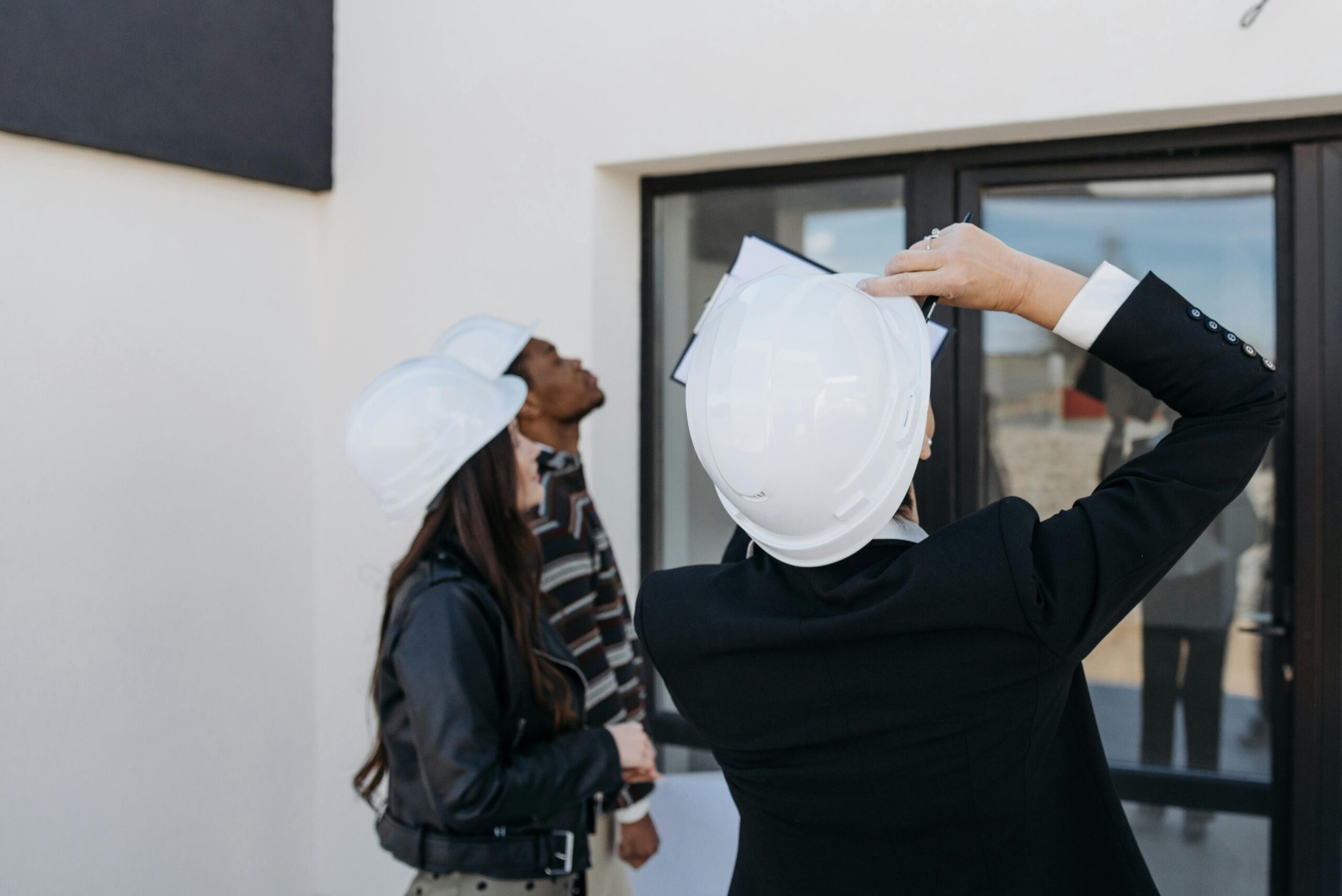
In the world of architecture and engineering, building facade inspection is as fundamental to a structure’s survival as gravity is to the universe. In Singapore, where sleek skyscrapers and heritage buildings stand side by side, facade inspections are essential for safety, aesthetics, and environmental sustainability. When facades falter, the very integrity of the building—and its occupants’ safety—is at stake.
Why Building Facade Inspection Matters
Just as the cosmos obeys specific laws, buildings in urban Singapore must adhere to stringent regulations. The Building and Construction Authority (BCA) mandates facade inspections for buildings over 20 years old and taller than 13 metres every seven years. This is part of the Periodic Facade Inspection (PFI) regime, introduced to ensure that facades remain structurally sound.
Key reasons why facade inspections are crucial:
- Safety assurance: Prevents incidents of falling debris from deteriorating facades, protecting both pedestrians and residents.
- Structural integrity: Identifies weaknesses before they become costly problems.
- Aesthetic maintenance: Ensures buildings maintain their visual appeal, especially in Singapore’s iconic skyline.
- Regulatory compliance: Helps property owners comply with Singapore’s legal requirements, avoiding penalties.
The Science of Facade Deterioration
Just as the forces of nature govern celestial bodies, so too do environmental forces affect building facades. In Singapore’s tropical climate, buildings face unique challenges:
- High humidity and rainfall: Water ingress can cause cracks, weaken concrete, and corrode steel reinforcements.
- Temperature fluctuations: The shift from scorching afternoons to cool evenings causes materials to expand and contract, leading to cracks.
- Pollution and wear: Urban pollution accelerates the degradation of facades, especially in high-traffic areas.
Without regular inspections, these forces can lead to material fatigue and facade failures.
Key Components of a Building Facade Inspection
A thorough facade inspection examines several critical elements, much like a cosmologist studying the life cycle of a star. The main areas of focus include:
- External walls: Cracks, water stains, and signs of material detachment are identified.
- Windows and cladding: Inspectors check for loose or damaged panels, sealant failures, and rusting brackets.
- Balconies and ledges: These protruding elements are vulnerable to structural weaknesses and cracks.
- Roof parapets and cornices: Key areas that can show signs of wear due to prolonged exposure to the elements.
By mapping these weak points, engineers can assess the building’s overall health and recommend appropriate repairs.
Methods Used in Building Facade Inspection
The techniques used for facade inspection have evolved significantly, akin to advancements in space exploration. Modern inspections involve:
- Visual assessments: Engineers conduct detailed surveys using binoculars or high-resolution cameras to detect visible defects.
- Rope access inspections: For tall structures, certified inspectors perform close-range examinations using rope systems.
- Drones and sensors: Drones equipped with cameras and thermal sensors capture detailed footage, especially in hard-to-reach areas.
- Non-destructive testing (NDT): Methods such as ultrasonic testing detect hidden cracks and voids without damaging the facade.
These technologies enhance the accuracy and efficiency of inspections, much like telescopes reveal the hidden mysteries of the universe.
Singapore Statistics: The Importance of Facade Safety
Singapore’s commitment to building safety is reflected in recent data:
- The BCA reported over 25 incidents of falling facade elements between 2019 and 2023, emphasising the need for routine inspections.
- Singapore has over 4,000 buildings that fall under the Periodic Facade Inspection mandate.
- Compliance with the PFI regime has seen a 20% decrease in reported facade defects since its introduction.
These figures highlight the tangible benefits of facade inspections in preventing accidents and maintaining building longevity.
The Environmental Implications of Facade Inspections
Facade inspections aren’t just about safety—they’re also about sustainability. A well-maintained facade contributes to energy efficiency by preventing heat gain and minimising water intrusion, which can compromise insulation. In Singapore’s push towards net-zero emissions, maintaining facades is integral to optimising building performance.
Key benefits of sustainable facade management:
- Lower cooling costs: Intact cladding and insulation reduce the energy needed to cool interiors.
- Prolonged lifespan of materials: Regular maintenance extends the lifecycle of facade components, reducing the need for resource-intensive replacements.
- Reduced construction waste: Preventive maintenance reduces the likelihood of major repairs that generate large volumes of waste.
What Happens After a Facade Inspection?
Following an inspection, a detailed report is generated, highlighting defects and recommended actions:
- Minor repairs: Re-caulking windows, repairing small cracks, and replacing worn brackets.
- Moderate repairs: Fixing water-damaged areas, replacing panels, or reinforcing corroded sections.
- Major works: In cases of severe deterioration, a full refurbishment or recladding may be necessary.
Building owners must act promptly on these recommendations to ensure compliance and maintain safety.
How to Choose the Right Inspection Service
Choosing the right service provider for your building facade inspection is vital. Consider the following factors:
- Accreditation: Ensure the inspection team is BCA-certified and experienced in facade inspections.
- Technology used: Opt for companies that use advanced tools like drones and NDT for thorough assessments.
- Track record: Check for past projects and client reviews to gauge reliability and professionalism.
- Post-inspection support: Choose providers who offer follow-up support and guidance on implementing repairs.
The Future of Building Facade Inspection in Singapore
The evolution of facade inspections is set to continue as technology advances and regulations become stricter:
- Green building initiatives: More buildings will integrate sustainable facade materials that require specific inspection protocols.
- Smart monitoring systems: Embedded sensors in facades could provide real-time updates on structural integrity.
- Stricter standards: Regulatory frameworks are likely to be refined to include even more detailed inspection requirements.
Taking Responsibility for Building Safety
In the vast complexity of our built environment, every element plays a role in the stability of the whole. By prioritising building facade inspection, Singapore demonstrates its commitment to safety, sustainability, and architectural resilience. Building owners, engineers, and tenants must all play their part in maintaining facades—not only to comply with regulations but to protect lives and preserve the skyline that defines this city.
Just as we study the stars to predict cosmic events, inspecting building facades allows us to foresee and prevent potential disasters. Regular inspections are not just a matter of compliance—they are an investment in the future. Whether you own a heritage shophouse or a towering glass-fronted office, never underestimate the importance of a thorough building facade inspection.
Apart from this, if your interested to know more about How to Care for Different Flooring types then visit our Home Improvement category.