
Video game design is a constantly evolving field, with creators always seeking new ways to captivate players and keep them engaged. One of the most interesting trends in recent years has been the incorporation of slot machine elements into video game mechanics. While slots have traditionally been associated with gambling, their features are finding their way into non-gambling games, enhancing gameplay and creating exciting new dynamics. From reward systems to chance-based mechanics, these elements have proven to be more than just a passing trend. In this article, we’ll explore how slot elements are being used to enhance video game design, making games more immersive, fun, and rewarding. We cover this in more depth in Responsible Gambling in Live Dealer Casinos.
The Rise of Gamification in Video Games
What is Gamification?
Gamification is the use of game design elements in non-game contexts to enhance user engagement. While it has primarily been associated with apps and productivity tools, gamification is also a key concept in modern video game design. Many game designers have started adopting elements from other genres, including slot machines, to make their games more addictive and rewarding. This fusion of mechanics helps create experiences that feel fresh, exciting, and, in some cases, a little bit like playing the slots—without the risk of losing money!
The Slot Influence: Luck and Chance in Gaming
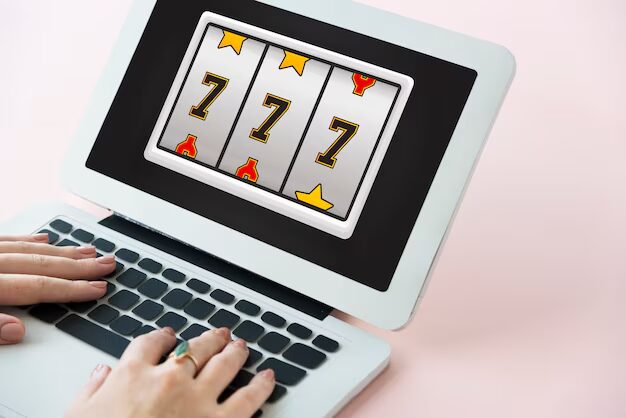
At the core of most slot machines is the element of luck, and this is something that game designers are increasingly incorporating into non-gambling video games. Whether it’s through randomized loot drops, chance-based rewards, or surprise bonus rounds, the unpredictability of slots can add an extra layer of excitement to a game. Players never quite know when they might hit the jackpot, which keeps them coming back for more.
Common Slot Elements in Video Game Design
Randomized Rewards: A Thrilling Element of Surprise
One of the most common ways slot elements are integrated into video games is through randomized rewards. Similar to spinning a slot machine’s reels, many games feature loot boxes, treasure chests, or random drops that reward players with in-game items, currency, or upgrades. This randomness fuels a sense of excitement, as players don’t always know what they will get, but they’re motivated to keep playing to see if they can “win big.”
For example, in popular role-playing games (RPGs) like Destiny 2 or Overwatch, players are rewarded with loot crates that contain random gear, skins, and other items. The anticipation of what might drop is very similar to the thrill of a slot machine spin, adding an extra layer of excitement to the gameplay loop.
Progressive Reward Systems: Building Excitement Over Time
Another slot-inspired mechanic that has found its way into video game design is the progressive reward system. Much like how slot gacor machines offer progressively larger jackpots the more you play, many video games use similar systems where players are continuously rewarded with better loot, upgrades, or bonuses the longer they play.
This sense of ongoing progression is motivating, as players are encouraged to keep playing to unlock greater rewards. Games like Fortnite and Apex Legends incorporate battle passes that reward players with new content over time, much like how a slot player might get closer to hitting the jackpot with every spin.
Slot Elements and Player Engagement
Increasing Player Retention with Slot-like Mechanics
Video games often rely on hooks to keep players coming back, and slot elements are one of the most effective ways to build long-term engagement. The concept of intermittent rewards—where players receive rewards at unpredictable intervals—mimics the mechanics of slot machines, which are known for their ability to keep players hooked. This is especially true for games that implement “loot box” mechanics, where the thrill of mystery and chance encourages players to keep spending or playing for the potential of big rewards.
By adding slot-inspired randomness, video games can maintain player interest by offering rewards that feel special and satisfying without needing to overwhelm players with constant progression. In essence, these random rewards can act as a gentle nudge to keep players engaged and invested in the game, fostering a longer gameplay cycle.
Visual and Audio Effects: Enhancing the Experience
A crucial part of the allure of slot machines is the audiovisual experience—the spinning reels, flashing lights, and celebratory sounds when a win occurs. Video games borrow from this by incorporating similar visual and auditory cues that accompany random events or big wins. Whether it’s the satisfying sound of a loot crate opening or the visual effects of a bonus round, these elements create an immersive experience that enhances the overall enjoyment.
In games like Borderlands or Genshin Impact, when players receive rare loot or unlock special achievements, the audio and visual effects often mimic the kind of sensory stimulation found in slot machines, making the rewards feel even more impactful and exciting.
Balancing Luck and Skill in Game Design
The Ideal Mix: Keeping It Fun and Fair
While slot elements can make games more exciting, designers must strike a balance between luck and skill. Too much randomness can lead to frustration, especially if players feel their success is entirely based on chance. On the other hand, too much focus on skill-based gameplay can make the experience feel predictable and less thrilling. The key is to find a sweet spot that blends both elements seamlessly.
Many game developers aim to create systems where players can influence their chances of receiving rewards, but there’s always an element of unpredictability. For example, players may have a higher chance of getting rare loot based on their performance in a mission, but there’s still a random factor at play to keep things interesting. This mix of skill and chance helps maintain fairness while still tapping into the excitement that slot elements bring to the table.
Conclusion
From randomized rewards to progressive systems and immersive sensory effects, slot machine elements have found a meaningful place in video game design. By incorporating these elements, game developers can create more dynamic and engaging experiences that keep players coming back for more. Whether through loot boxes, surprise bonuses, or rewarding progression, the use of slot-like mechanics helps make video games more thrilling and addictive, striking the perfect balance between skill and chance. As this trend continues to evolve, we can expect even more innovative ways for game designers to harness the excitement of the slots, pushing the boundaries of what video games can offer.
By blending luck and strategy with immersive design, slot elements are more than just a gimmick—they’re shaping the future of gaming itself.